
Pine River Institute is calling for stronger public education about the risks of today’s high-potency cannabis products, particularly for young people whose brains are still developing.
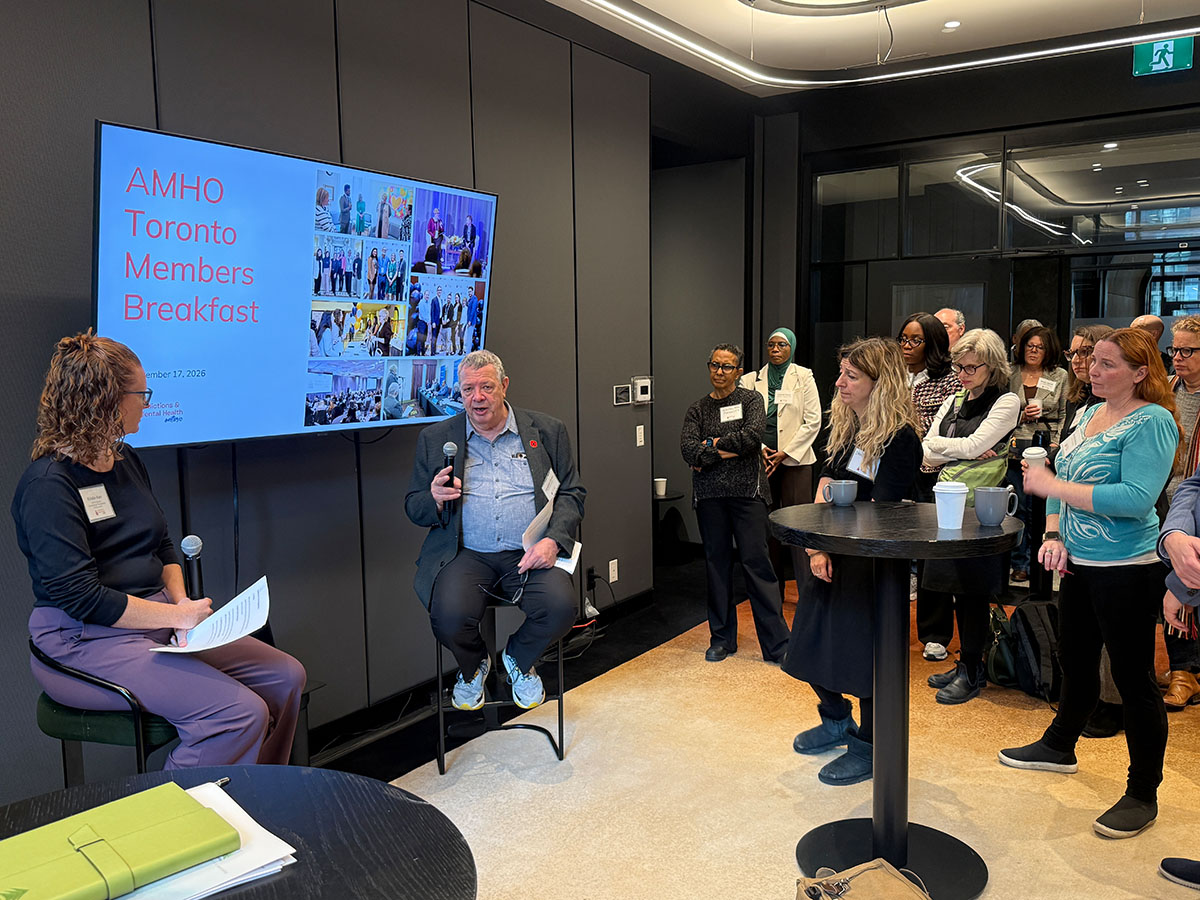
Pine River Institute CEO Vaughan Dowie joined leaders from across the mental health and addiction sector at an Addictions and Mental Health Ontario (AMHO) Regional Members Breakfast to discuss growing concerns about the impact of high-potency cannabis on young people.
His remarks built on concerns we raised in an op-ed published this spring, calling for greater awareness and stronger public education about the risks associated with today’s cannabis products.
At Pine River Institute, we work with young people ages 13–19 struggling with addictive behaviours and other mental health challenges. Our concerns reflect our clinical experience and a growing body of Canadian and international research.
Today’s cannabis products are very different from those available decades ago. Some concentrates and vape products contain more than 90 per cent THC, the main psychoactive compound in cannabis.
Research is also raising concerns. A 2024 Canadian study involving researchers from CAMH, the University of Toronto and ICES found an 11-fold association between reported adolescent cannabis use and subsequent psychotic disorder. A more recent Ontario study, published in the Canadian Medical Association Journal, documented a significant increase in psychotic disorder diagnoses among young people.
Protecting youth was a central commitment when cannabis was legalized in Canada in 2018. Eight years later, we are asking whether public education has kept pace with the products now available and the risks identified through research.
Working with the Canadian Mental Health Association Ontario and AMHO, we are calling for a coordinated, sustained public education effort to help young people, families and those working with youth better understand the risks, particularly those associated with high-potency cannabis.
Dowie encouraged organizations across the mental health and addiction sector to add their voices to the call.
“We need more voices, and we are stronger together.”
Learn more
- Read our spring op-ed on high-potency cannabis and youth. [https://pineriverinstitute.com/news/opinion-greater-public-education-is-needed-around-high-potency-cannabis/]
- Explore our free Masterclasses on youth mental health, addictive behaviours and supporting young people and families: https://pineriverinstitute.com/community-resources/masterclass/

