
Pine River Institute’s Outdoor Leadership Experience helps youth build the foundation for change — and our research is helping us understand how.
For youth struggling with addictive behaviours and other mental health challenges, taking the first steps toward change isn’t always easy. Some may recognize that things need to change but aren’t sure how to begin. Others may not yet see the need for change.
At Pine River Institute, that’s one reason treatment begins in the wilderness.
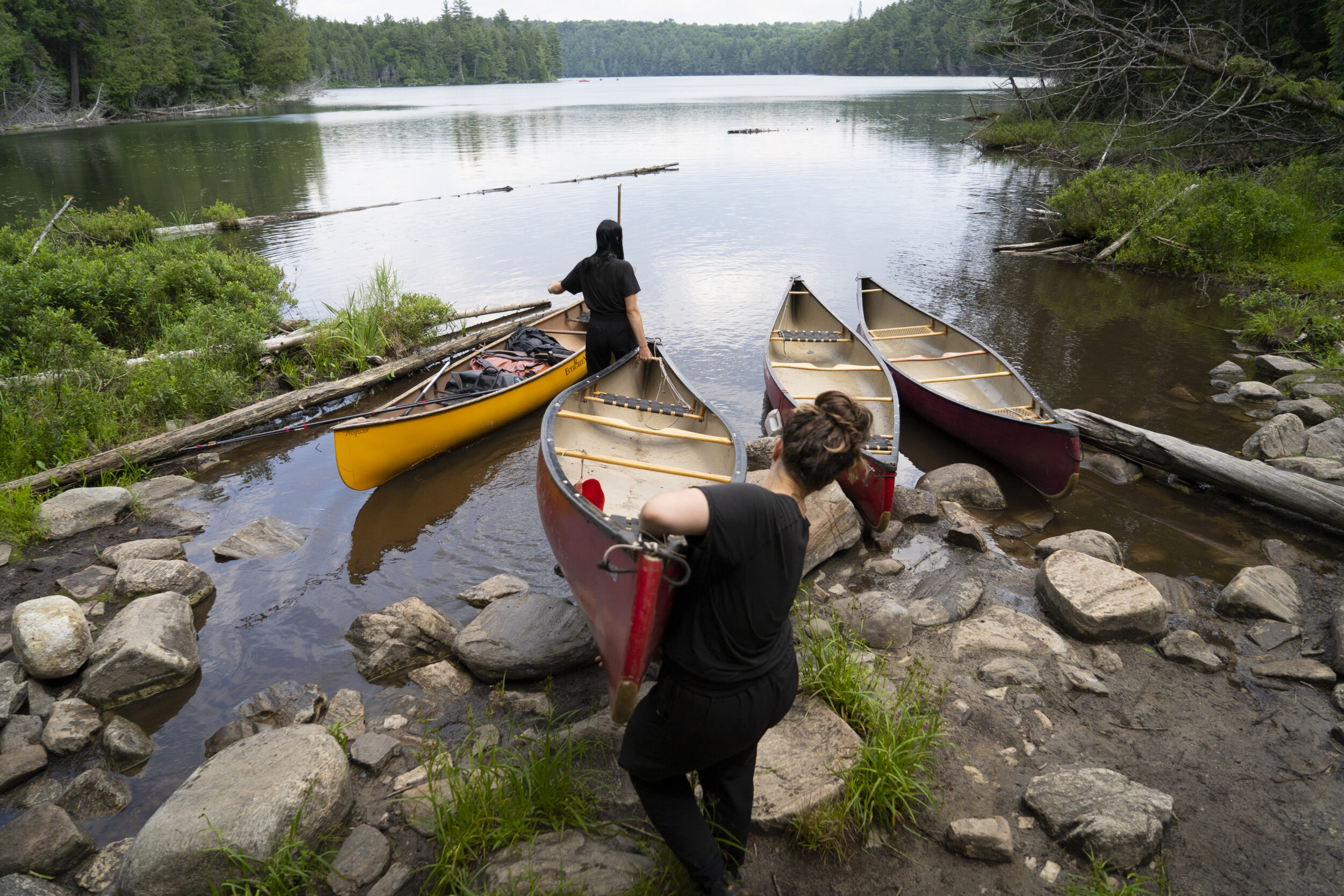
Our Outdoor Leadership Experience (OLE) takes youth ages 13–19 into the Algonquin region for six to eight weeks, away from familiar routines and environments. Through outdoor challenges, shared responsibilities and supportive relationships, youth begin building trust, resilience and a greater sense of responsibility.
But the goal isn’t simply to learn outdoor skills. It’s to help youth become ready for change.
Building the foundation for change
In a recent BBC StoryWorks feature, Dr. Victoria Creighton, Pine River’s Director of Clinical Training and Family Services, discusses the role of wilderness experiences in helping young people begin to see new possibilities for themselves.
“There is so much anxiety in everyone about change,” Creighton says.
She describes the work of staff as “kind of just planting seeds.”
The wilderness creates opportunities for youth to experience challenges, develop relationships and begin considering different ways of responding to themselves and the world around them.
What our research tells us
Preparing youth for change is a central goal of OLE, and it’s something Pine River measures.
Our research team assesses youths’ readiness for change at the beginning and end of the wilderness phase, looking at whether they recognize the need for change and are beginning to take action.
Findings from our latest evaluation show a significant shift. By the end of OLE, youth reported being less likely to deny or minimize concerns about their substance use, and more engaged in making positive changes.
These findings offer insight into the important work taking place during the first phase of treatment — building a foundation for the work that follows.
Read Pine River’s Annual Evaluation Report.
In the words of a young person
One youth described their OLE experience this way:
“It’s the hardest thing that I have ever done, but it was worth it.”
OLE is the first of four connected phases of Pine River’s comprehensive, family-centred treatment program. While youth begin their work in the wilderness, their caregivers begin a parallel process of learning and change.
The experience is about much more than time spent outdoors. It’s about creating the conditions for young people to begin imagining — and working toward — a different future.
Read the BBC StoryWorks feature to learn more about Pine River’s approach and the role of wilderness experiences in supporting young people.